
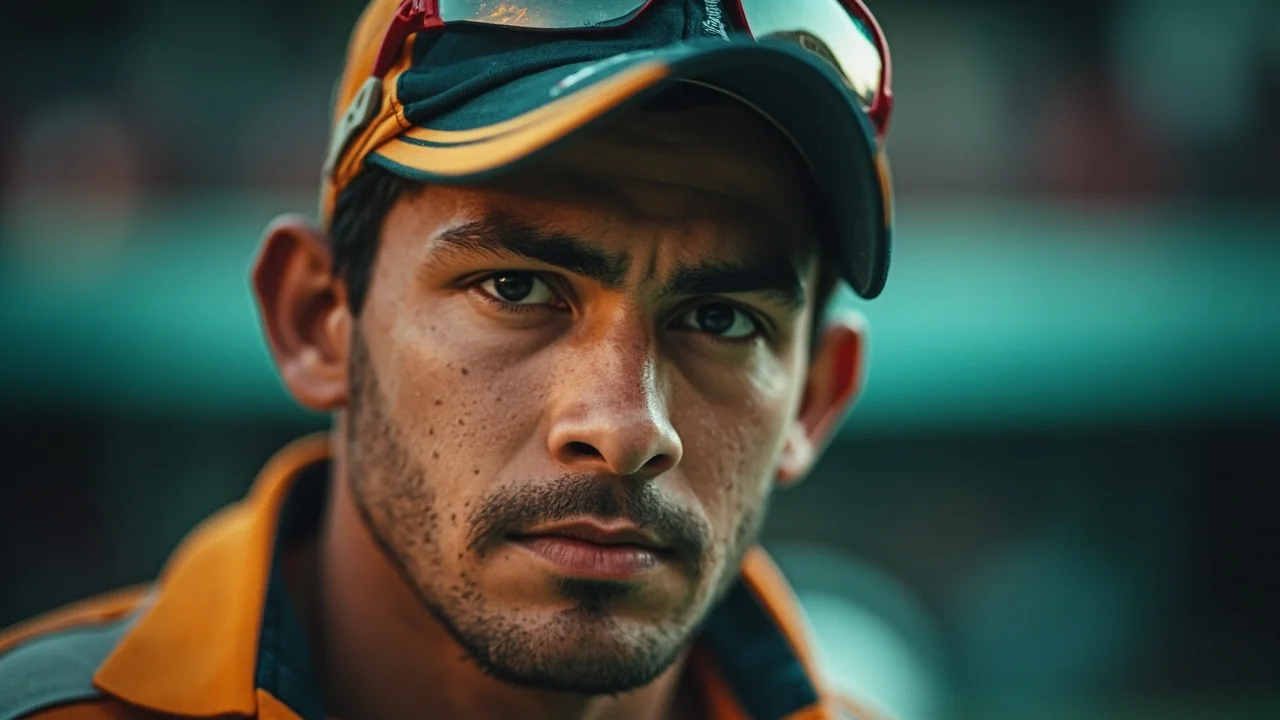
The Dehradun T20 League 2026 is a new eight-day franchise tournament built around a single venue, a small squad cap and a clear production lane. Cricketnmore's announcement on its Dehradun T20 League tag page confirms Akash Madhwal, an IPL fast-bowling name, and Lakshya Raichandani, the India U-19 vice-captain, will captain Mussoorie Thunder between 2 and 9 September 2026 at Abhimanyu Cricket Academy in Dehradun.
The franchise spread is the first thing a reader needs: six teams, one venue, eight days. That shape decides almost everything else about the window: squad rotation, bowler workloads, and how quickly coaches can tell whether the local talent is ready for the next step. Cricketnmore's brief frames the league as a platform for the next generation of Uttarakhand cricketers, with each franchise carrying a mix of IPL stars, India U-19 players, Duleep Trophy and Ranji Trophy performers, Board Trophy players and emerging state-age cricketers.
The two captains anchoring Mussoorie Thunder
Madhwal is the senior voice in the Thunder leadership group. He enters the Dehradun window off an IPL stint as a recognised quick, a role that already pulls him into fantasy captaincy conversations in the wider Indian season. On a short, single-venue tournament, his value is workload: pace bowlers can only carry so many overs across eight days, and a captain who is himself a frontline seamer has to weigh his own overs against the team's need for him as a leader on the field.
Raichandani, by contrast, arrives with an India U-19 vice-captaincy already on his résumé. That profile tends to translate into middle-order batting discipline, a comfort with tactical conversations, and a quieter on-field voice than the senior partner. Cricketnmore lists both as captains, which is unusual in franchise cricket: usually one player wears the armband and the second is named deputy. Reading the announcement as two co-skippers (one leading on the field, one shaping plans from the dugout) fits the verified wording better than forcing one to be the official captain.
What an eight-day, single-venue window actually looks like
Staging every fixture at Abhimanyu Cricket Academy simplifies travel and acclimatisation, and it compresses preparation. Six teams across eight days almost always means a round-robin group stage with knockouts at the back end. Coaches that settle on a core XI early can build continuity and read what works on a used surface by match three or four; sides that keep chopping line-ups will find roles still being debated as the knockout window opens.
Bowling workload is the practical subplot. Three or four frontline pacers across eight days leaves a margin for rest; two means someone is bowling on consecutive days. Spin options help because a single surface often slows between match one and match five, and mystery or off-spin options can dictate middle overs. For a franchise carrying both Madhwal and a likely second seamer, that workload map is one of the first things the coaching group will settle before the opening night.
Batting depth is the parallel question. Cricketnmore lists franchises built around a blend of IPL stars, India U-19 talent, Duleep Trophy and Ranji Trophy performers, Board Trophy players and emerging Uttarakhand cricketers. That spread usually produces at least one strong top-order anchor, one or two finishers, and a couple of all-round options who let captains hold back a fifth bowling option. On a single-venue format, the teams that pick balanced XIs early tend to outlast the ones chasing form.
Why a Uttarakhand-franchise window matters for player development
The Dehradun T20 League is being sold as a pathway window for Uttarakhand cricketers, not just a low-profile T20 event. That distinction matters for how local all-rounders, wicketkeepers and seamers will be used. Cricketnmore's note frames the franchise rosters as carrying IPL and U-19 talent on top of state-level performers, which usually means established stars take powerplay and death-overs duties while emerging players get defined roles in the middle overs or lower middle order.
For younger Uttarakhand players, the practical upside is access to senior partners in the nets and during match simulations, plus match-time in front of scouts who follow franchise T20 windows in India. Even modest performances in this format (a 20-ball cameo, a tidy three-over spell) register on the right tracker pages. The league's stated mission is explicit about that pipeline.
For senior signings like Madhwal, the upside is different: a lighter workload than a full IPL season, a chance to lead a young side, and visible leadership minutes before the next Indian domestic calendar block. Captaincy is rarely a neutral label in franchise cricket. Even a one-tournament armband adds a line to a résumé and shapes how future franchise auctions frame a player.
Fantasy read for the eight-day window
For a reader who follows T20 cricket through fantasy contests and is curious about how a new league shows up in their player database, the simplest framework is the one used for any short single-venue window. Match-to-match swings matter more than long averages. A player who sits out the opener and fires in the back half of the round-robin can still finish with the strongest numbers of the league. That is the right way to think about Mussoorie Thunder as well.
Workload tells the captain story. Madhwal cannot bowl all four overs of every game across an eight-day stretch and stay sharp for the knockouts. The franchise will rotate him through at least one or two rest games; fantasy players who track Mussoorie Thunder selection notes will catch the rest windows and plan around them. Raichandani's batting slot is harder to read without a published order, but middle-order anchor minutes from an India U-19 vice-captain usually hold steady across a short tournament.
Uttarakhand emerging talent is the differential pool. If a young all-rounder or keeper from the state roster is given the gloves or a defined bowling role, that player can post quietly productive numbers in three or four games before the field catches on. The broader Players section on PokerBaazi carries ongoing selection, form and availability notes across Indian cricket, and a new state-franchise window like this one usually surfaces a handful of names worth tracking.

Reading the captaincy model in real time
Cricketnmore's wording is exact: Madhwal and Raichandani will captain Mussoorie Thunder. That phrasing leaves room for both to operate as visible leaders in different phases. Madhwal as the on-field captain during bowling plans and field changes, Raichandani as the batting-order anchor and a senior voice between innings. How the franchise communicates that split at the toss is one of the small questions worth watching on opening night.
The other captaincy tell is field placement. T20 captains who are themselves seamers tend to set attacking fields in the powerplay, accept the boundary risk, and rotate strike options through the middle. A captain who bats in the middle order often leans the other way, holding a fielder back at the death and trusting his bowlers to hit hard lengths. Mussoorie Thunder's mix will probably average those tendencies.
Uttarakhand's senior players will be watching how Madhwal uses himself and how Raichandani is slotted. Franchise T20 windows reward clarity: a defined role with a defined owner. Once Thunder's first-choice XI is settled (likely after the first two matches), the rest of the window becomes a stable read for anyone tracking the team.
What to watch on opening night
The 2 September opener will surface the first real information about the league: which franchise Madhwal leads out, whether Raichandani takes the first-over field, how the Mussoorie Thunder batting order is wired, and which Uttarakhand name gets a surprise selection. Cricketnmore's confirmed notes are enough to anchor previews before that night, and the league's stated mission gives readers a useful filter for the next two weeks of franchise announcements.
Beyond opening night, the cleaner reads are workload and captaincy splits. A franchise that gives Madhwal two or three rest games through the round-robin tells fantasy readers a lot about its knockout plan. A middle-order that anchors around Raichandani will keep his batting slot stable even when the bowling rotates. The first two or three matches are usually the most informative window before the lineup locks.
The opening week at Abhimanyu Cricket Academy
Match one is on 2 September 2026. Six franchises, one venue, eight days, and a clean slate for a young state cricket ecosystem. The two verified storylines for opening week are straightforward: how Madhwal's pace and captaincy carry into a brand-new league, and how Raichandani translates an India U-19 vice-captaincy into a senior T20 franchise role. Beyond those two, the wider pull is whether the local talent pool produces one or two names worth watching across the rest of the 2026 Indian cricket calendar.
The next hard date on this story is the 2 September opener. Until then, the verified facts are the six-franchise structure, the 2 to 9 September dates, the Abhimanyu Cricket Academy venue, the Mussoorie Thunder captaincy pair, and the league's stated focus on the next generation of Uttarakhand cricketers. Anything else (squad-list depth, opponent analysis, opening-fixture opponents) will be defined by the franchise announcements between now and opening day.