
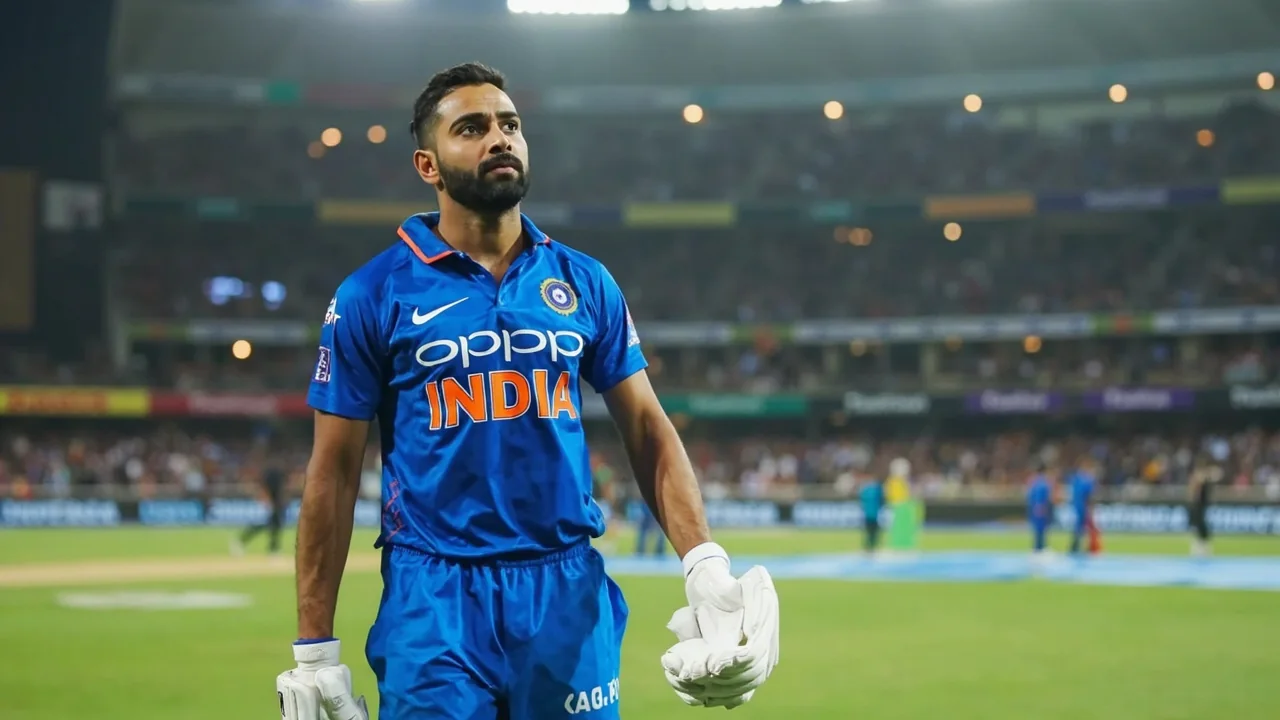
Vaibhav Sooryavanshi, 15, has been named vice-captain of the East Zone squad for the upcoming Duleep Trophy, the BCCI's premier zonal first-class competition, confirming that India's newest teenage batting recruit is now being groomed across formats rather than treated as a one-format project. The squad, led by wicketkeeper-batter Ishan Kishan, will begin its campaign on 23 August 2026, and Sooryavanshi is expected to open the batting alongside Bengal veteran Abhimanyu Easwaran.
The elevation comes hard on the heels of India's 3-0 T20I sweep of Zimbabwe, where Sooryavanshi finished as Player of the Series with 151 runs in three innings at an average of 50.33, including two half-centuries. Less than a month after his international debut, the teenager has climbed 230 places in the ICC T20I batting rankings to break into the top 50, an unusually steep move for any player, let alone one who had not yet played first-class cricket at senior level until this season.
Before the T20I call-up, Sooryavanshi had crossed the 700-run mark in IPL 2026. That single-season haul in the world's most-watched T20 league was what triggered repeated calls for chief selector Ajit Agarkar to fast-track the left-hander into the national side, a debate Sachin Tendulkar entered publicly in Agarkar's presence, backing the case for a red-ball move before the IPL bubble had fully receded.
From T20I stage to red-ball audition
The Duleep Trophy, contested between five zonal sides in a round-robin followed by a final, is the closest Indian domestic cricket comes to a national selection trial. Picking Sooryavanshi as vice-captain of East Zone is a deliberate signal: the BCCI is not just giving him a place in the XI, it is testing whether he can handle leadership responsibility in a four-day format that demands very different skills from a 14-over T20 blast.
East Zone is the traditional home of senior India players from Bengal, Bihar, Odisha, Jharkhand and the northeast states. Putting a 15-year-old alongside seasoned first-class operators such as Easwaran and under a captain in Kishan who has played all three formats for India is an unusual blend, and the BCCI has not framed it as routine.
For the teenager, the next month of preparation is a long-form reset. He has played eight first-class matches so far, scoring 207 runs in 12 innings at an average of 17.25, with a highest score of 93. His most recent red-ball appearance was a Ranji Plate fixture for Bihar against Meghalaya, a level of opposition that is not a useful proxy for what East Zone's pace attack will offer in late August.
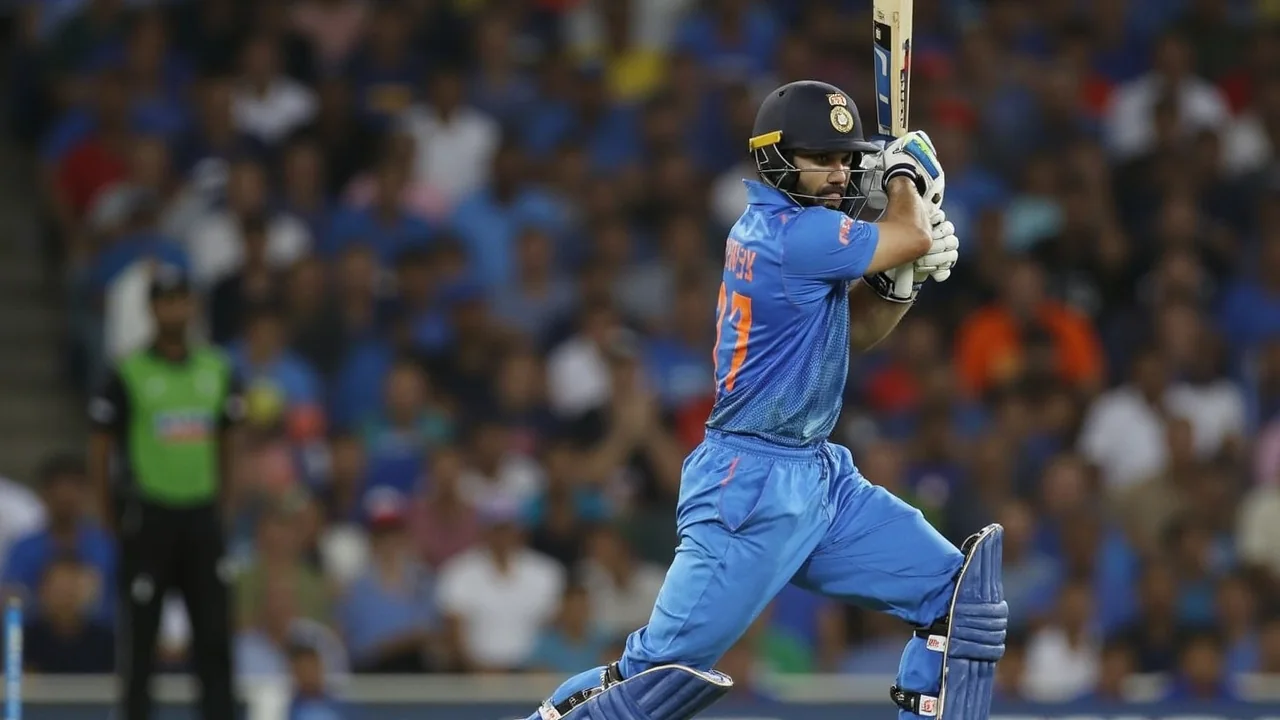
Why the BCCI is willing to fast-track a 15-year-old
Indian cricket has a long history of protecting teenagers from the senior grind, with mixed results. Sooryavanshi's case is unusual because the volume of high-level runs he has already accumulated in T20 cricket is not a typical 15-year-old ledger. Crossing 700 in an IPL season puts him in territory usually reserved for senior pros, even before any international caps.
The 3-0 sweep in Zimbabwe added weight. Scoring 151 runs in three innings against an attack that included senior Zimbabwe seamers, and winning Player of the Series in a series India completed without dropping a match, are the kind of small-sample, high-impact returns that selectors can build a case around. The rankings jump, 230 places into the top 50 inside a month, is the publicly visible record of that impact.
Tendulkar's intervention matters because it gives the selector a public reference point. The Tendulkar endorsement is not a coaching appointment or a selectorial vote, but it does normalise the conversation around pushing Sooryavanshi into red-ball cricket at a stage when most teenage batters are still waiting for Ranji opportunities. Agarkar, the chief selector, has been asked the question often enough that a structured Duleep Trophy test reads as the cleanest response.
Reading the East Zone squad shape
Kishan as captain, Sooryavanshi as his deputy, and Easwaran as the senior opening partner is a layered batting order. Easwaran brings seven seasons of first-class stability, including a triple-century for Bengal and India A stints. Sooryavanshi brings the upside of an attacking left-hander who has already shown he can take the bowling on from ball one. Together they are a left-right combination that makes life awkward for the new ball in helpful conditions.
Middle-order options in East Zone typically include established names from Bengal, Odisha and Jharkhand, with at least one of them expected to keep wickets in the field if Kishan is resting on the boundary. Squad balance in the Duleep Trophy is less about who plays and more about who can absorb fixture congestion, and the selectors have given the captain some cover with a multi-format keeper in charge.
Bowling depth in the zone is strong. Bengal and Jharkhand's seam stocks have produced India pacers in recent seasons, and the spin options include left-arm orthodox fingerspin and off-spin. Sooryavanshi's main task with the bat is to give that bowling group enough runs to play with. In red-ball cricket, attacking openers are useful only as long as they convert starts.
What a successful Duleep Trophy looks like for him
A useful benchmark is not a mountain of runs. Two or three innings of substance, a half-century that turns into a long partnership, and time spent at the crease against the red ball in match conditions are the realistic asks. Sooryavanshi's previous first-class experience has not given him many innings over 30, so the selectors are not expecting him to dominate the zone attack; they are checking that the technique holds up.
The vice-captaincy adds a second layer. Leadership at 15, even in a symbolic role, requires basic tactical awareness on the field: setting fields, talking to bowlers, adjusting to conditions. Kishan, who is also a wicketkeeper, will carry most of the on-field load, but the deputy tag means selectors will quietly observe how Sooryavanshi carries himself during stoppages, drinks breaks and discussions.
If the Duleep Trophy goes well, the natural next stop is selection for India's Test squad for the upcoming home series. If it does not, selectors can still point to the T20I series, the IPL numbers and the rankings jump as evidence that the longer-form project is a development exercise, not a completed switch. The point of naming him vice-captain is to keep the door open in both directions.
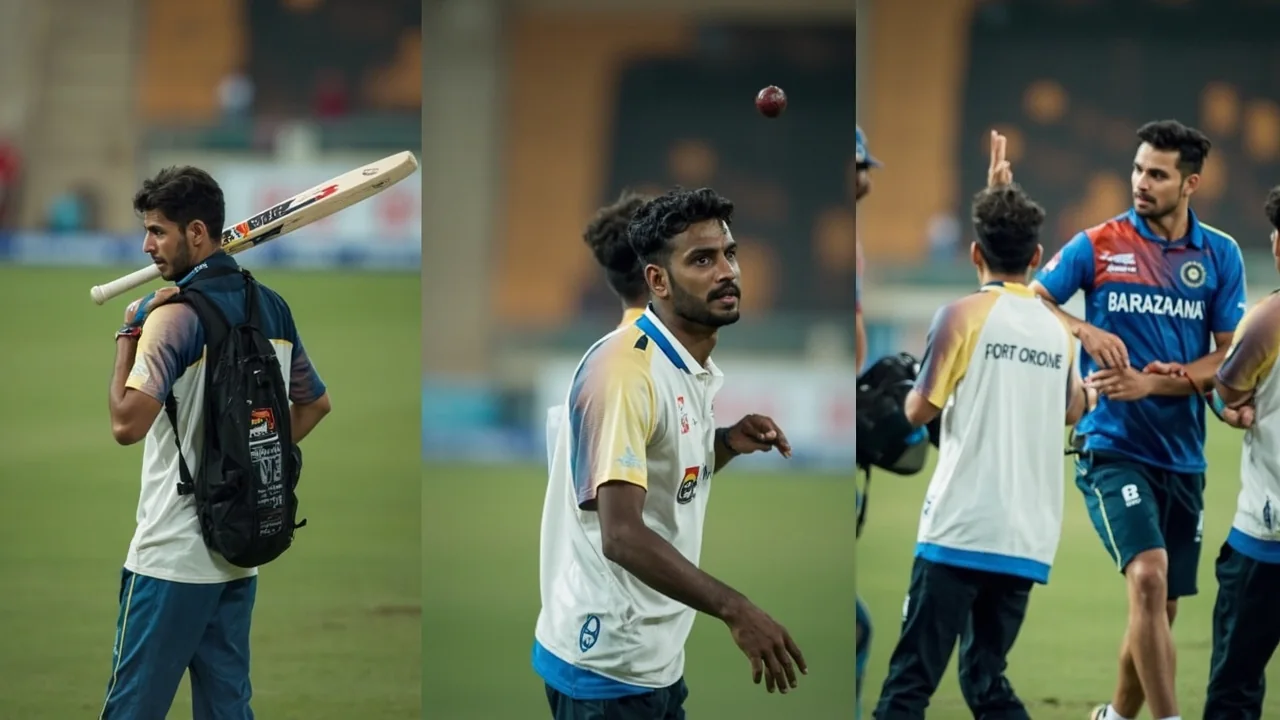
Format switch, fitness and the gap to Test cricket
The biggest open question around Sooryavanshi is not talent but physical durability. T20 innings are short and high-intensity. First-class cricket asks for concentration over six-hour days and the ability to play long, attritional spells without losing shape. Teenagers often find that the hardest part of moving between formats, not the technical adjustments.
India's central contracts and NCA staff will now manage his workload across the year. After the Duleep Trophy, his attention shifts to the Asian Games in September, which is a T20 tournament and a return to the format that made him visible. The selectors will then have three data points in the calendar year, IPL, T20I, first-class, which is more than most 15-year-olds can offer.
For India's red-ball think tank, the most useful signals will be the boring ones: how often he leaves the ball outside off, how he handles short-pitched bowling across a session, what his shot selection looks like when the run rate is two an over. Those are the inputs that decide whether a teenage T20 sensation becomes an all-format player or stays a short-format specialist.
Why the timing matters
India are approaching a busy 18-month window of home Test series, the Asia Cup cycle, an ODI World Cup build-up and the next T20 World Cup defence. The T20 World Cup champions' tag sits on the white-ball side. The Test side is also stable, but selectors know the next generation of batters needs to be ready when the current middle order moves on. Sooryavanshi is the most-watched candidate in that queue, even at 15.
Zimbabwe was a controlled environment for his international debut. The Duleep Trophy is a step up in conditions and opposition, and a step up in expectations. Picking him as vice-captain, rather than just naming him in the squad, is the BCCI's way of saying the next step is not optional. The 23 August start date will tell us how ready that next step really is.
Readers who want ongoing match notes, squad follow-ups and other cricket desk updates can find them collected under PokerBaazi live matches.
What to watch from 23 August onwards
The opening day of East Zone's Duleep Trophy campaign will be the first time Sooryavanshi walks out in the red-ball format wearing a vice-captain's badge. The opponent, the surface and the toss will all shape the early returns, but the most useful evidence will be from innings two and three if he gets there, when the shine is off the ball and the bowling has worked him out once.
Selectors, broadcasters and fantasy players will all be watching. For Indian cricket, this is a chance to find out whether a teenage T20 record translates into first-class substance. For Sooryavanshi, the only thing that changes between now and 23 August is the colour of the ball and the length of the day. Everything else, including the rankings jump and the vice-captaincy, is the same job with a different ball.