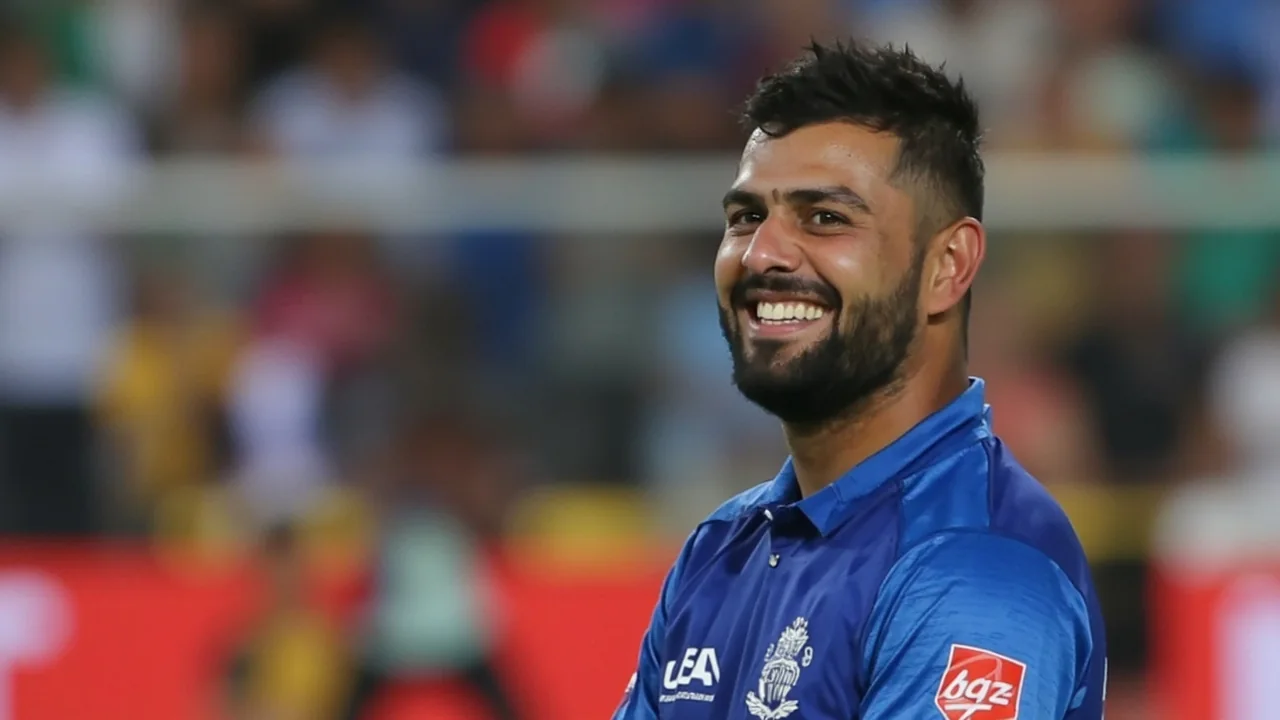
A Fantasy Tips retrospective on the 108th match of the ICC Men's Cricket World Cup League 2 ODI 2026 — Scotland against the United States at Tribhuvan University International Cricket Ground, Kirtipur, scheduled for 20 May 2026 at 9:15 AM IST. What fantasy players saw before toss: verified captain and vice-captain picks, both XIs, the previous 14 May DLS finish that shaped the read, and the Tribhuvan University surface.
The 108th fixture of the 2026 ICC Men's Cricket World Cup League 2 ODI cycle paired two teams with very different League 2 arcs. Scotland arrived at Tribhuvan University International Cricket Ground, Kirtipur on the morning of 20 May 2026 leading the table on 38 points from 31 matches; the United States sat second on 36 from 26. The head-to-head at the time the preview was published read Scotland 6, USA 3 — a healthy Scottish lead built across the last two League 2 windows. Both sides, however, had just lost to Nepal in the same Kirtipur block: Scotland by six wickets, the USA by nine. The match-up was set up to be a recovery fixture for one team and a confidence-restorer for the other, and the Fantasy brief that went out on the eve of the game reflected that tension.
The preview that ran on the eve of the fixture, authored by Cricket Addictor's Fantasy Cricket desk and first published on 19 May 2026, gave fantasy players three concrete pieces of information to work with. First, the squads: Scotland named George Munsey, Finlay McCreath, Brandon McMullen, Richie Berrington (c), Matthew Cross (wk), Michael English, Michael Leask, Mark Watt, Jack Jarvis, Oliver Davidson and Bradley Currie. The United States lined up Smit Patel, Monank Patel (c & wk), Andries Gous, Saiteja Mukkamalla, Milind Kumar, Shayan Jahangir, Harmeet Singh, Shubham Ranjane, Jasdeep Singh, Saurabh Netravalkar and Juanoy Drysdale.
Second, the captain and vice-captain anchors: McMullen and Munsey were the captain picks, with Milind Kumar and Harmeet Singh as the vice-captain options. In small leagues (SL), McMullen was the safer anchor captain; in grand leagues (GL), Munsey's ceiling was the better play. The suggested team combination was 1-3-5-2, with Michael Leask and Monank Patel named as the two punt picks for players chasing differentials.
Third, the pitch read: Tribhuvan University's surface was reported at 23°C and partly cloudy on the morning of the game, batting-friendly with an average first-innings score around 248, and historically poor for chasing sides (roughly a 40% win rate for the team batting second). That tilted the brief towards top-order batters and pace bowlers who could use early movement, and away from frontline spinners bowling in the second innings.
McMullen's cycle numbers going into the fixture were the anchor case: 846 runs and 37 wickets in the League 2 window, all-round volume that converts into fantasy points in two ways. His 55 in the previous meeting between these sides on 14 May was a reminder that he does not need to bat long to deliver: he finds the boundary quickly and he keeps wickets on slow surfaces. For the small-league captain slot, where floor matters more than ceiling, he was the right pick.
Munsey, by contrast, was the tournament's cleanest powerplay batter: 1,165 runs in 22 innings, with a tournament-best 45 sixes. His 6.4% six-rate meant that even a 30-ball stay could return 50+ fantasy points if the powerplay went his way. For grand-league captain slots, where the prize structure rewards ceiling, Munsey's match-up against an inexperienced USA pace attack was the better lever. The Fantasy brief that went out on the eve of the game named McMullen as SL captain and Munsey as GL captain — a clean split that mapped to contest structure rather than a single rigid pick.
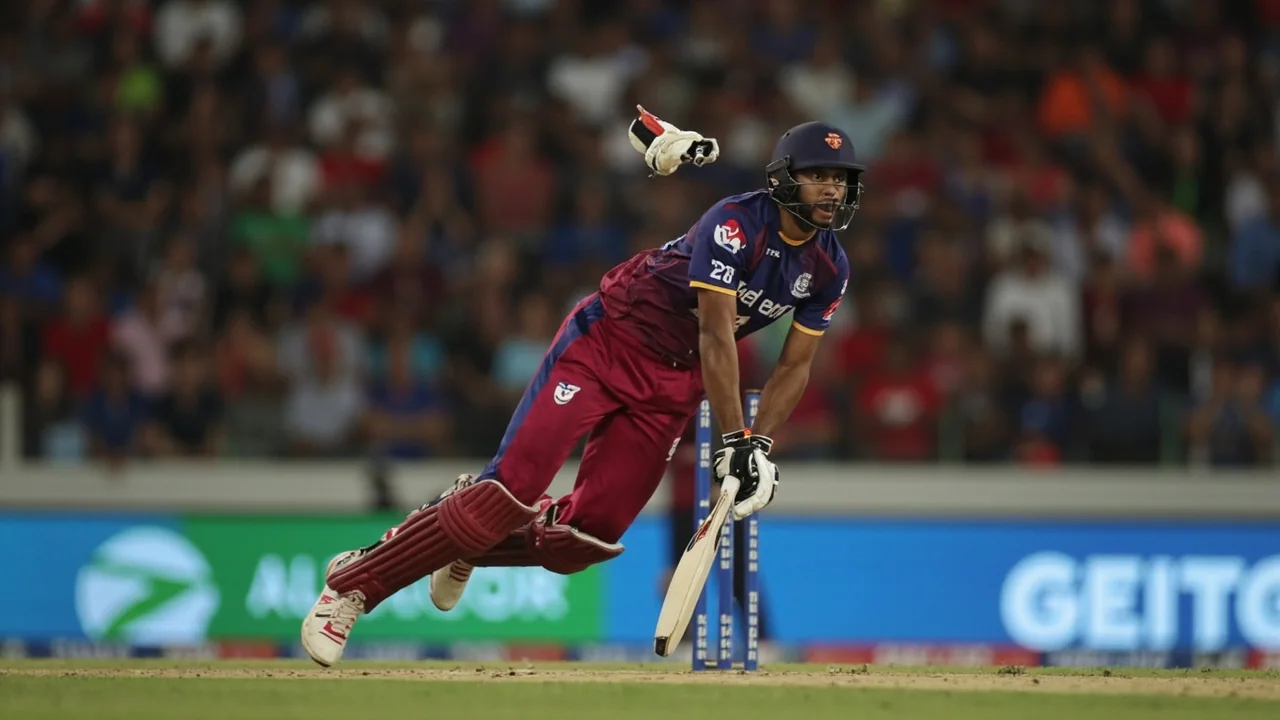
On the USA side, the brief pointed fantasy players towards Milind Kumar and Harmeet Singh as vice-captain options. Kumar had accumulated 1,048 runs in 23 innings at a 61.64 average — a stunning number for a top-order batter in a side that has not always given its batsmen long stays. He was the anchor of the USA batting order on this tour. Harmeet Singh, meanwhile, brought 31 wickets in 24 League 2 games alongside 325 runs, an all-round profile that converts into fantasy points through both wickets and quick runs in the lower order.
The punt pick most worth noting was Michael Leask. At 410+ runs and 14 wickets in the cycle, his numbers did not jump off the page next to McMullen's. But he was being picked at a much lower ownership rate, he bowled in the powerplay and at the death, and he batted at six with a quick-finisher profile. In the previous meeting on 14 May he had been the player who turned a tight Scotland innings into a 320+ total by taking the batting powerplay early. For grand-league differentials, Leask was the correct lever.
The most informative piece of context for fantasy players going into Match 108 was not the standings or the head-to-head — it was the result of the previous meeting between these two sides on 14 May 2026 at the same venue. Scotland had batted first and posted 321/6 in 47 overs: McCreath 77, McMullen 55, and Matthew Cross a rapid half-century that turned a 250-innings into a 320-innings. The USA, set a revised 249 in 32 overs under DLS after a rain interruption, finished on 246/8 — losing by 2 runs. Saiteja Mukkamalla had scored 104 off 75 and Smit Patel 72 in that chase, both scoring fast enough that the USA got close to the target.
For fantasy players, that finish told a precise story: first innings at Kirtipur in this window had been a 300-plus batting exercise when wickets were in hand, and second innings chases of 240+ were achievable for the side willing to absorb early wickets. Mukkamalla's 104 off 75 was the kind of innings that would have paid out huge captain points if fantasy players had backed him as a differential — and the brief flagged him, alongside Monank Patel at over 580 runs and an unbeaten century, as the sort of lower-owned pick that could swing a grand league if the top order clicked.
Tribhuvan University's square in May is, on balance, a batting surface with a chasing disadvantage. The 248 first-innings average is on the higher end for Associate ODI cricket, and the 40% chase win rate is enough to make the toss decision meaningful. Fantasy players who read the brief carefully came away with three rules. First, bat first if you win the toss: the average first-innings score of 248 is a healthier fantasy return than chasing 250-plus at a venue where the ball grips more in the second innings.
Second, pace bowlers who move the ball early — Saurabh Netravalkar for the USA, Bradley Currie and Oliver Davidson for Scotland — had a window in the first 10 overs of both innings. Third, frontline spinners were a soft fade in this brief: the chasing disadvantage cut both ways into their expected overs and wickets, and the brief's suggested combination of 1-3-5-2 reflected that. Monank Patel, the USA captain and wicketkeeper, was highlighted for his batting volume at over 580 runs including an unbeaten century, but his keeping points added to the case in SL contests.
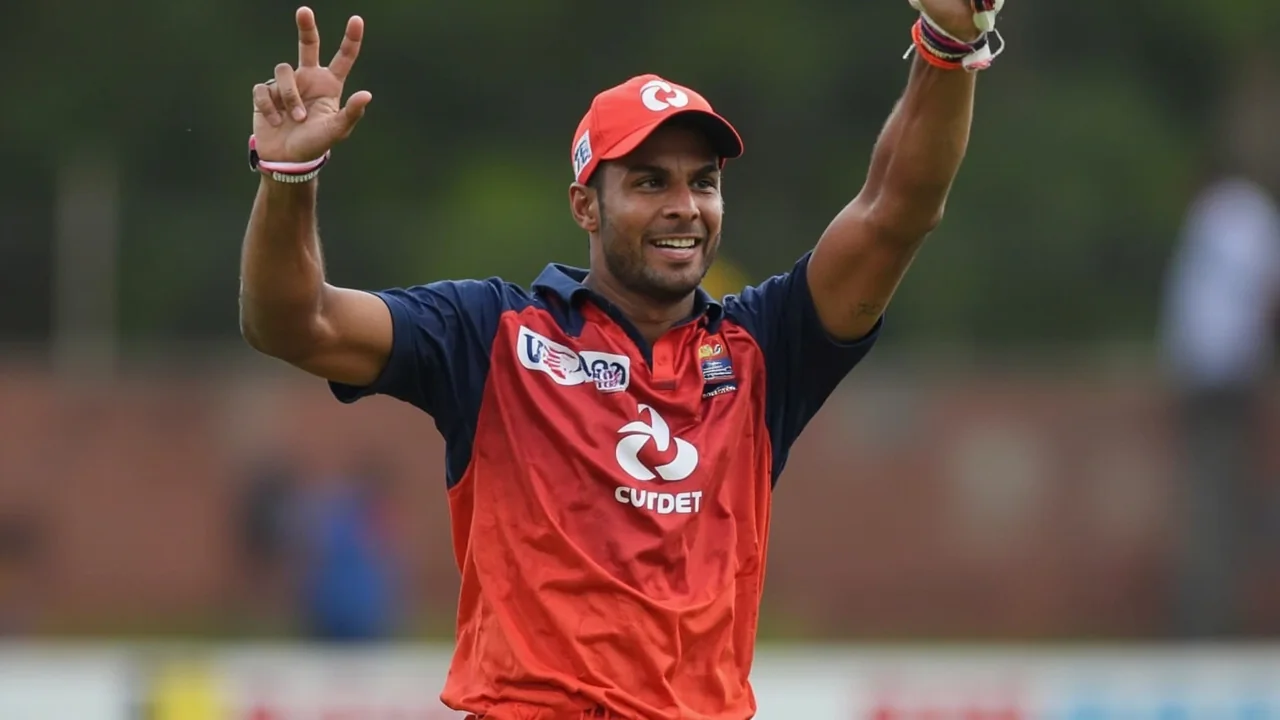
The most useful detail in this fixture, looking back, is not the McMullen captain pick or the Munsey ceiling call. It is the structural fact that two teams with very different points totals arrived at the same venue on the back of two losses to Nepal. Both sides needed a win, but neither had a margin for error against the other — and the previous 14 May result had been close enough (a 2-run DLS finish) that fantasy players could not treat this as a Scottish banker.
The Fantasy brief that went out on 19 May 2026 captured that ambiguity. The recommended combination was 1-3-5-2 with two anchors (one McMullen, one Munsey or Milind Kumar depending on contest type), two pace all-rounders in the differential pool (Leask and Monank Patel), and a vice-captaincy split that gave fantasy players a way to hedge across the two XIs. For League 2 fixtures between closely-matched Associate sides, that is the more useful framework than a single captain pick — and it is the pattern that carried through the rest of the May 2026 window at Kirtipur.
The 108th match of the League 2 cycle was, in other words, a fixture that fantasy players needed to read with two pairs of eyes: one on the Scotland top order that had just racked up 321/6 against this USA attack, and one on the USA middle order that had just chased 248 to within two runs of that same total. The split captain approach — McMullen for SL, Munsey for GL, Kumar and Harmeet Singh as the VC anchors — was the cleanest way to honour that uncertainty without overcommitting either way.
For more Fantasy Tips notes on Kirtipur fixtures, League 2 captain calls, and Associate ODI reads across the 2026 cycle, the PokerBaazi11 Fantasy Tips archive collects the verified squad and captain reads in one place.
Verified captain picks, pitch reads and team combinations for League 2 fixtures and the wider cricket calendar.
